
Blogs
WBC Research Center
10.19.2025
The Chicago Venture Summit: Future of Food 2025 delivered one of its strongest showings yet, marking the tenth edition of World Business Chicago’s signature innovation and investment platform. Since 2014, the summit has become one of the city’s most influential gatherings for entrepreneurs, investors, and corporate leaders driving inclusive growth across Chicago’s dynamic innovation economy.
This year’s summit brought together 713 participants—including 130 startups, 100+ growth capital firms, and representatives from 375 organizations spanning the private sector, academia, and government. Attendees from 21 U.S. states and 16 countries reinforced Chicago’s growing reputation as a global destination for innovation and capital investment in the food industry.
The program also introduced the Future of Food Waste Forum, presented with WBC board member Nicor Gas, expanding the summit’s reach into sustainability and circular economy innovation. With 29 official sponsors and partners, and an enhanced national outreach effort connecting with more than 400 investment firms, the 2025 summit underscored Chicago’s role as the meeting point of ideas, talent, and investment shaping the future of food.
More than a conference, the Chicago Venture Summit has become a connector for food innovation and capital—a place where local innovation meets global opportunity, and where the story of Why Chicago continues to be written by the people building its future.
Be sure to watch for our next Business Pulse, powered by LinkedIn, where we’ll share more highlights, insights, and stories from this year’s Chicago Venture Summit: Future of Food.
In the meantime, one of the biggest takeaways from the summit came from the World Business Chicago Research Center, which unveiled new data confirming what investors, founders, and civic leaders across the region already know: Chicago is shaping the future of food.
The newly released Chicago Business Bulletin: Innovation in Chicagoland’s Food & Ag Industry highlights how the convergence of food manufacturing, biotechnology, and agtech is transforming Chicagoland into one of the world’s most dynamic food innovation hubs—driven by the same collaboration and ambition that energized this year’s Venture Summit. Download the full Chicago Business Bulletin: Future of Food, here.
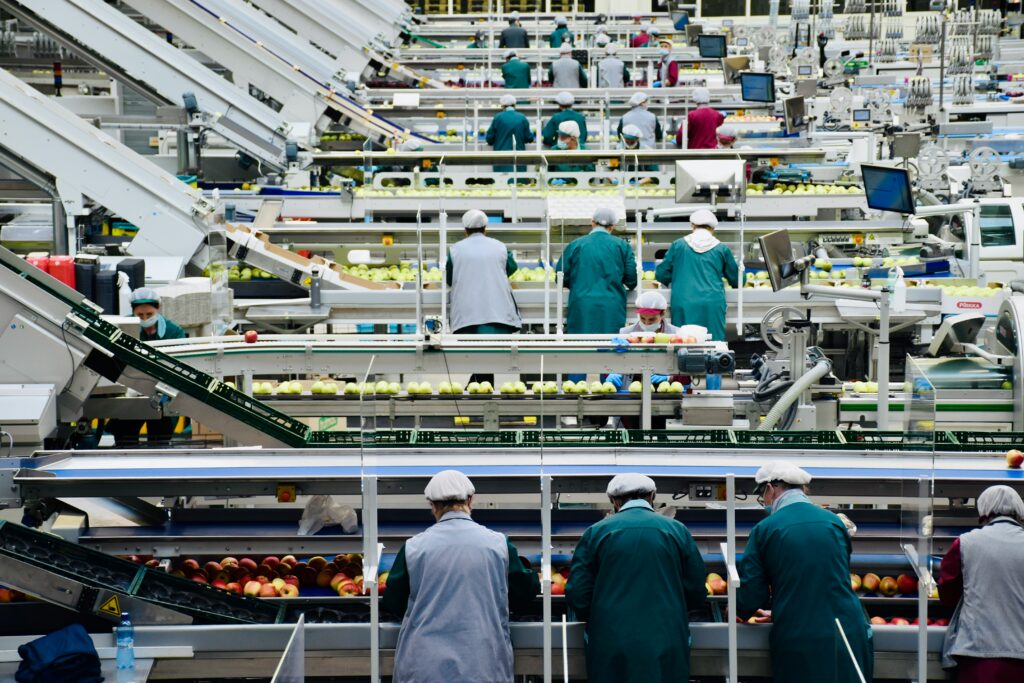
According to the report, Chicagoland remains the nation’s food manufacturing capital—and one of the country’s fastest-evolving food innovation centers. The region’s food and beverage manufacturing sector produces $11.8 billion annually, employing more than 72,000 residents across the metro area. Nearly 40% of food firms operate outside Cook County, underscoring the regional reach and strength of this powerhouse industry.
Chicagoland ranks #1 nationwide for food and beverage manufacturing, generating $11.8 billion in annual output and recording the strongest GDP growth of any U.S. metro since 2017.
Over 60% of local startups receiving seed funding in 2024–2025 focused on biotech-based foods or alternative proteins. The region now hosts at least 23 alternative protein manufacturers and 46 bioengineered food producers, alongside legacy firms such as Mars, Kellanova, and Kraft Heinz.
Chicagoland is home to 400+ agriculture and agtech companies (with more than 360 headquartered locally) and 50 active investors. Since 2018, these firms have raised nearly $400 million in growth capital and completed 23 acquisitions—evidence of a maturing, innovation-driven ecosystem.
Since 2021, more than 74 food-related expansions and investments have taken place across the region, including:
“Chicagoland is not just America’s food manufacturing core — it’s becoming a global laboratory for the next era of food production, technology, and sustainability.”
The Bulletin identifies several factors driving the region’s long-term competitiveness:
The report acknowledges that Chicago’s momentum is unfolding amid complex national conditions:
Despite these headwinds, the report concludes that Chicagoland’s diversity, infrastructure, and talent pipeline position it to adapt faster than peer metros—turning national challenges into local opportunities for innovation.
From legacy manufacturers to next-generation biotech startups, Chicagoland’s food innovation ecosystem is demonstrating how a region built on manufacturing excellence can reinvent itself as a global laboratory for food technology, sustainability, and growth.
The 2025 Chicago Venture Summit: Future of Food didn’t just celebrate the region’s success—it showcased its future, where data, innovation, and collaboration converge to feed the world.
The World Business Chicago Research Center produces original, data-driven insights that promote inclusive regional growth. Its Chicago Business Bulletin series tracks key industries shaping Chicagoland’s competitiveness. Email: Research@worldbusinesschicago.com

Blogs
Chicago’s Advantage
WBC Blogs
WBC Research Center
10.09.2025
This Sunday marks the 47th annual Bank of America Chicago Marathon, where approximately 53,000 runners representing over 120 countries and all 50 states will be participating amidst the cheers of&hell

Blogs
Chicago’s Advantage
WBC Research Center
09.19.2025
Public transit isn’t just about trains and buses getting people from point A to point B. It’s about the daily life of our city and region: connecting workers to jobs,…