
Business & Growth
NEWS
07.22.2025
In every great city, arts and culture are more than enrichment—they are engines of economic growth, neighborhood vitality, and global visibility. In Chicago, the Department of Cultural Affairs and Special Events (DCASE) plays a vital role in advancing this vision.
From iconic festivals to neighborhood-based initiatives, DCASE is helping position the arts not just as inspiration, but as infrastructure—creating jobs, attracting investment, generating revenue, and enhancing quality of life across all 77 neighborhoods. In this special Q&A, Commissioner Clinée Hedspeth discusses how cultural strategy aligns with economic strategy to shape a more inclusive, dynamic, and prosperous future for Chicago.
How is DCASE leveraging Chicago’s cultural assets as a catalyst for economic growth, particularly in empowering underrepresented communities to participate in and shape the city’s creative economy?
Chicago is home to a wealth of rich cultural expression—spanning music, art, theater, dance, and more. It’s crucial that every community, especially those historically underrepresented, can engage with, contribute to, and benefit from the city’s vibrant cultural landscape. That means expanding access to resources, funding, and platforms for creative expression. Culture becomes a true catalyst for economic growth when we intentionally connect local artists with meaningful opportunities. At the Department of Cultural Affairs and Special Events, we are deeply committed to empowering creatives as economic drivers within their neighborhoods and elevating the diverse voices that reflect the full spirit of Chicago.
Margaret Burroughs was a champion of using art to drive social progress. How does her legacy influence your leadership at DCASE in building programs that deliver both cultural equity and measurable economic impact?
Margaret Burroughs’ legacy is a powerful reminder of how art can both reflect and transform society. I was fortunate to witness firsthand her unwavering belief in the power of art to drive social change—a belief that continues to inspire my work at DCASE. Guided by her enduring influence, I remain committed to cultural programming that not only celebrates Chicago’s rich diversity but also creates meaningful pathways to social and economic equity.
Chicago’s summer festivals are cultural cornerstones and major economic engines. What strategies are in place to grow their impact—supporting local businesses, attracting global visitors, and ensuring accessibility for all Chicagoans?
Chicago’s summer festivals are deeply rooted in the city’s cultural identity and serve as major drivers of tourism and economic activity. At DCASE, we’re focused on ensuring that these celebrations of culture also reflect the diversity of our communities and remain accessible to everyone. That means balancing growth with inclusion—by expanding free programming, strengthening community partnerships, and offering affordable ticketing options. It’s essential that we continue to elevate the vibrancy of our festivals while making sure every Chicagoan, regardless of background, feels welcomed and connected.
As a Hyde Park resident and advocate for grassroots cultural work, how do you bridge hyper-local creative initiatives with citywide and global economic development goals?
I believe strongly in the power of locally grown ideas and initiatives to inform and complement our broader citywide goals. Building close relationships with community leaders and cultural organizations ensures that a wide range of voices, perspectives, and experiences are represented. When efforts are rooted in our neighborhoods, they grow to shape not just our city—but often reach global audiences—reinforcing Chicago’s standing as a cultural powerhouse on the world stage.
What opportunities exist for Chicago’s business community to more meaningfully collaborate with DCASE—not just through sponsorships, but through shared innovation that advances both cultural and economic priorities?
Chicago’s business community plays a vital role in sustaining and growing our arts and culture ecosystem. We’re excited to foster bold, creative collaborations that generate shared value for both businesses and cultural institutions. An investment in the arts is an investment in Chicago’s economic and civic future. Together, we can co-create partnerships that deliver new ideas, resources, and platforms—ensuring our city’s creative landscape remains dynamic, inclusive, and thriving.
Culture is a driving force behind a city’s identity, economy, and global influence. From vibrant music scenes to world-class museums, cultural life shapes how people experience and connect with a place. That’s why it’s no surprise that Chicago ranks in the top 10 of Time Out’s list of the world’s best cities for culture.
See what sets Chicago apart—and how it holds its own on the international stage: https://www.timeout.com/travel/worlds-best-cities-for-culture
Business & Growth
Chicago 2050
NEWS
12.17.2025
What is Chicago 2050? Chicago 2050 is a two-phase plan for growth. Chapter One—the playbook unveiled this week—focuses on the next five years: where Chicago is strongest, where we can…
Business & Growth
NEWS
12.17.2025
As we look towards the new year, Chicago’s economic future will be shaped by the decisions we make now—from strengthening the economic engine of our central area to ensuring small…
Business & Growth
WBC Events & Recognition
WBC Research Center
10.19.2025
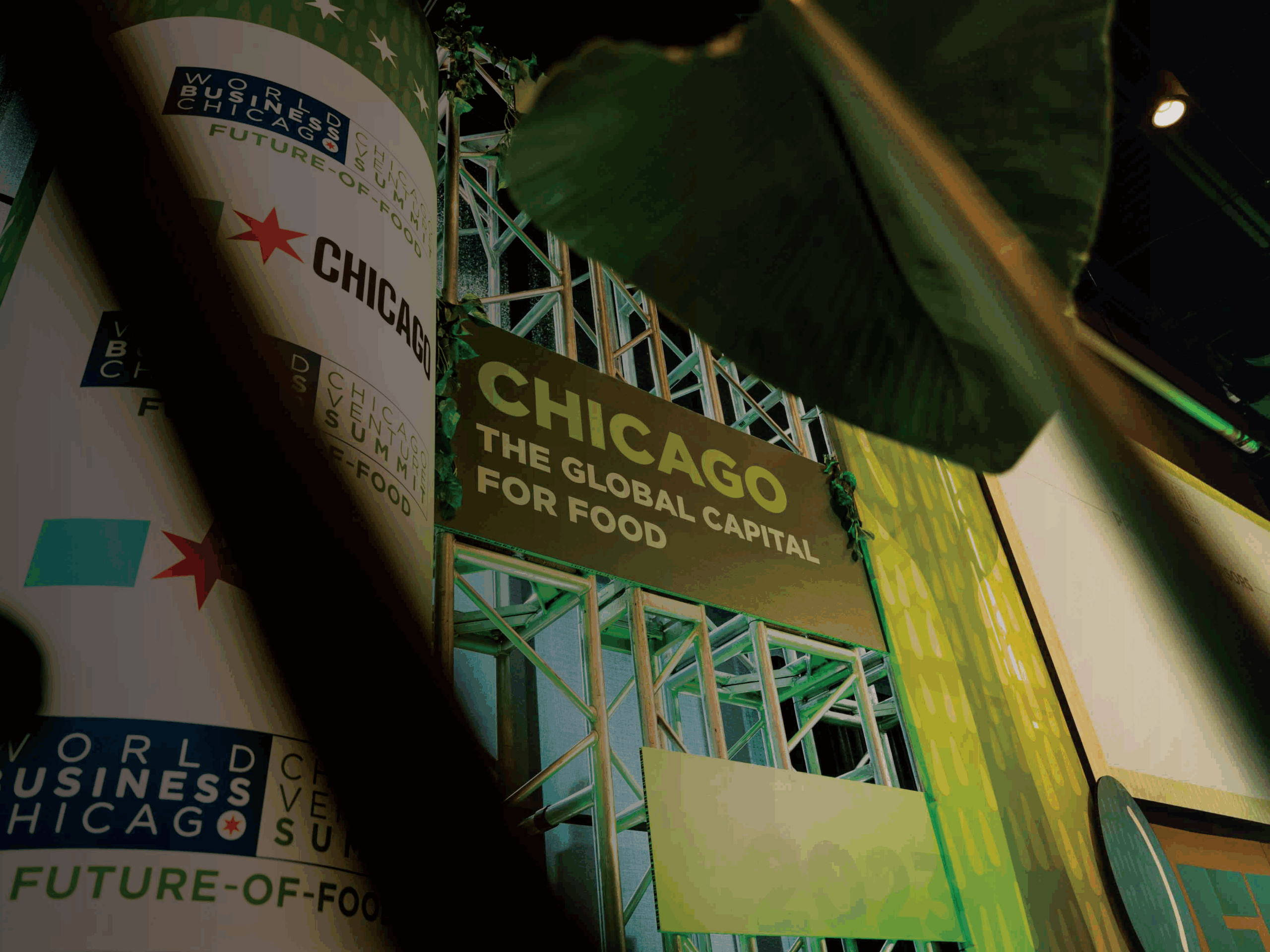
The World Business Chicago Research Center’s latest Chicago Business Bulletin: Future of Food reveals the data behind Chicago’s dominance in food innovation. The World Business Chica
Business & Growth
Business Leadership
NEWS
WBC Initiatives
10.07.2025
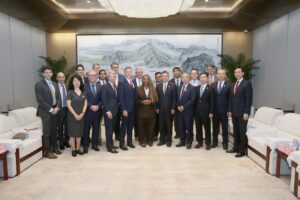
In-person convenings matter. Last week, a Chicago-led delegation traveled to Beijing, Hangzhou, and Hong Kong, engaging directly with business and government leaders at a time of both challenge and op